December 8, 2025
Knowing when your car requires brake services can prevent costly repairs and, more importantly, ensure your safety on the road. The brake system is one of the most critical components of any vehicle, tasked with the essential job of stopping the car promptly and safely. According to NAPA, the average car is made up of over 30,000 parts, and that complexity makes vehicle maintenance both fascinating and sometimes overwhelming. Among those thousands of parts, your brake system stands out as a life-saving mechanism that simply cannot be neglected.
For many drivers, figuring out when it’s time to schedule auto brake services can feel confusing. Brakes don’t come with a convenient countdown timer or a reminder sticker like oil changes do. Instead, they rely on sounds, sensations, and visual indicators to communicate that something is wrong. This article will walk you through the warning signs, inspection practices, and the influence of driving conditions on your brakes. It will also look at modern brake technologies, cost considerations, and the safety risks of ignoring problems—all while keeping the discussion practical and approachable.
Recognizing Warning Signs of Brake Trouble
One of the clearest ways to know if you require auto brake services is by paying attention to the way your car behaves while driving. Your vehicle often gives you little “clues” that the brakes are struggling. If you hear squealing or squeaking noises, it could mean your brake pads are nearing the end of their lifespan. A grinding noise usually signals that the pads are worn down completely, and now the metal is making direct contact with the rotors. Neither of these sounds should be ignored, as leaving them unchecked can lead to more expensive repairs.
Other clues include a spongy or delayed response when pressing the brake pedal. If it feels like your foot sinks too far before the brakes engage, air in the brake lines or worn-out pads could be the cause. Vibrations through the pedal or steering wheel often mean warped rotors, while dashboard brake lights act as a direct alert to have the system inspected. And if your car pulls to one side when braking, uneven wear or sticking calipers could be responsible. These early indicators are your car’s way of asking for help. Acting on them quickly by booking auto brake services ensures the system remains safe and reliable.
Inspecting Essential Brake Components
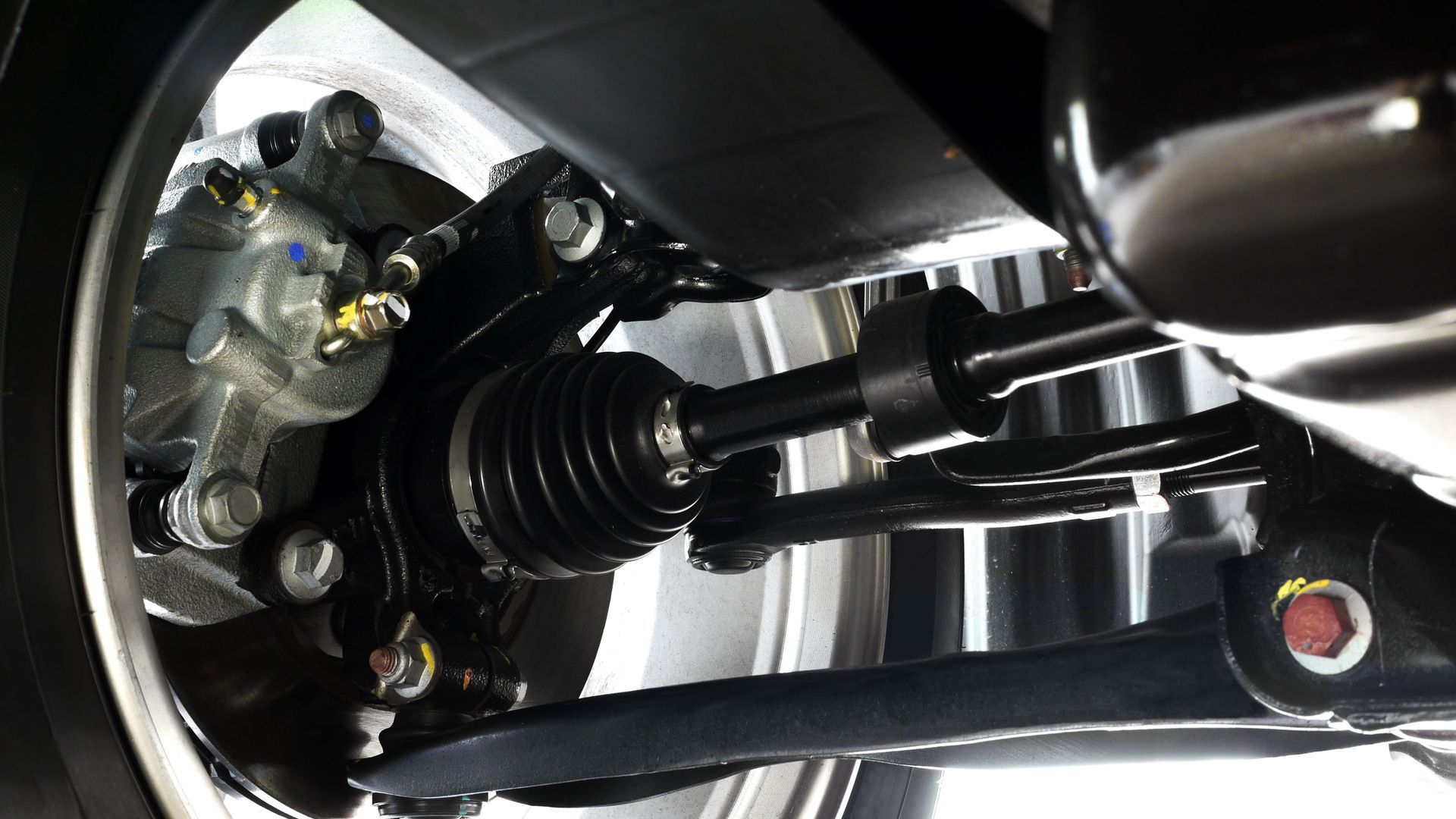
While many brake issues make themselves known on the road, some require a closer look at the parts themselves. Checking brake pads for thickness, for instance, is one of the simplest maintenance habits. Once pads wear thinner than about a quarter of an inch, replacement is needed.
Rotors are another critical piece. If you notice grooves, cracks, or warping on their surface, it’s time for machining or replacement. Brake fluid also deserves regular attention; because it absorbs moisture over time, it should be flushed periodically to avoid reduced stopping power.
Brake lines, often overlooked, carry the hydraulic fluid that allows the entire system to function. Any signs of corrosion, rust, or leaks should be addressed immediately. Vehicles equipped with drum brakes also require inspection to ensure the drums aren’t cracked or excessively worn.
Each of these parts works together in harmony, and their health determines how effective your overall braking system will be. That’s why professional inspections as part of scheduled auto brake services are so valuable—they catch what you might miss.
Understanding the Role of Driving Conditions
Not all brakes wear the same way. The conditions in which you drive play a major role in how soon you’ll need auto brake services. If you primarily drive in the city, constant stop-and-go traffic can wear down pads and rotors faster than highway driving. Mountain driving also puts extra strain on the system, as frequent braking downhill can cause heat buildup and lead to brake fade.
Aggressive driving habits, like hard braking or speeding up to stop quickly, accelerate wear significantly. On the other hand, gentle braking can prolong the life of your system. Towing heavy loads adds another layer of stress, as the brakes must work harder to stop the increased weight. Even the weather matters—rain, snow, and heat each impact performance differently. By understanding how your environment and habits affect your brakes, you can anticipate issues earlier and plan for auto brake services before small concerns become big problems.
Appreciating the Value of Professional Inspections
While some drivers enjoy tinkering under the hood, brake systems are not something to gamble with. Sure, you can check pad thickness or top up brake fluid, but the reality is that modern braking systems are complex. Anti-lock braking systems, electronic brake-force distribution, and emergency assist features are standard in many vehicles today.
Professional mechanics have both the training and diagnostic tools to evaluate the system fully. They don’t just look at what’s visible; they test the hidden mechanisms that ensure the brakes perform when you need them most. Scheduling regular inspections gives you peace of mind, knowing that an expert has cleared your system for safe operation.
Ultimately, auto brake services are not just about fixing problems—they’re about preventing them. Think of it like a checkup at the doctor’s office. You don’t wait until something is seriously wrong to make an appointment; you go to stay healthy. The same logic applies to your brakes.
Considering the Costs and Savings of Maintenance
It’s true that auto brake services come at a cost, and prices vary depending on whether you need a simple pad replacement or a full system overhaul. But ignoring the problem is often much more expensive. Letting pads wear down until they grind against rotors, for instance, transforms a small bill into a large one.
Preventive maintenance is the more budget-friendly path in the long run. By addressing issues early, you avoid stress on other parts like tires and suspension systems. Beyond finances, there’s also the cost of safety to consider. You simply cannot put a price tag on the peace of mind that comes from knowing your brakes are in top shape. Looking at maintenance as an investment instead of an expense helps shift perspective. You’re not just paying for parts and labor—you’re paying for protection every time you get behind the wheel.
Exploring Advancements in Brake Technology
Brakes today are smarter and more efficient than ever. Anti-lock Braking Systems (ABS) prevent wheel lockup during emergency stops, while Electronic Brake-force Distribution (EBD) balances pressure across the wheels. Some cars now even include automatic emergency braking systems that can intervene if you fail to react in time.
These innovations don’t replace the need for regular auto brake services; in fact, they make professional care more important. Advanced features add new layers of complexity, requiring specialized training and tools to maintain properly. But they also highlight how far technology has come in protecting drivers. As vehicles continue to evolve, with electric and hybrid models introducing regenerative braking, the future promises even more advancements. Staying informed about these technologies empowers you to make better decisions for your vehicle’s care.
Acknowledging the Safety Risks of Neglect
At the end of the day, ignoring brake issues is not just a mechanical problem—it’s a safety hazard. Faulty brakes increase stopping distances, making collisions more likely. Beyond that, neglected brakes can cause damage to other vehicle systems, compounding costs and shortening your car’s lifespan.
There are also social responsibilities at play. When you drive with unsafe brakes, you put not only yourself but also passengers, pedestrians, and other drivers at risk. Add in the potential legal and insurance consequences of an accident caused by poor maintenance, and the importance of timely service becomes undeniable. By making auto brake services a priority, you’re protecting both your own life and the safety of those around you. That kind of responsibility is worth taking seriously.
Staying alert to the condition of your brakes is one of the smartest things you can do as a car owner. From listening for unusual noises to watching for dashboard warnings, your vehicle provides plenty of hints when something’s wrong. Pairing these observations with regular inspections, professional servicing, and an understanding of how driving habits affect wear gives you a proactive edge.
Remember—your car may have over 30,000 parts, but none are more important than the ones keeping you safe on the road. Don’t leave it to chance. Schedule your
auto brake services
with trusted professionals who know how to keep your system in peak condition. For reliable, expert care that prioritizes both your safety and your vehicle’s performance, turn to Xperts Auto Center.