May 11, 2026
It’s easy to overlook routine vehicle maintenance when life gets busy, but few things are as critical to your car’s long-term health as a timely oil change. Engine oil plays a vital role in keeping internal components lubricated, clean, and protected from excessive heat and friction. When oil changes are delayed or forgotten, the consequences often develop quietly, building over time until they result in serious and costly damage.
Many drivers don’t notice the early warning signs of neglected oil because the symptoms can be subtle at first. By the time performance issues become obvious, internal wear may already be significant. Understanding what happens when oil changes are skipped—and how to recognize the warning signs—can help you protect your vehicle and avoid unnecessary repairs.
Recognize Early Engine Performance Changes
One of the first signs of overdue maintenance is a change in how your engine performs. Fresh engine oil ensures smooth operation by reducing friction between moving parts. As oil ages, it breaks down and becomes less effective at lubricating these components. This can lead to increased resistance within the engine, which may present as sluggish acceleration or reduced responsiveness.
Drivers may also notice that their vehicle feels less efficient overall. The engine might struggle to maintain consistent power, especially during demanding conditions such as highway driving or carrying heavier loads. These changes often develop gradually, making them easy to ignore until performance noticeably declines.
Paying attention to subtle shifts in how your vehicle drives can help you catch potential problems early. Even minor changes in responsiveness or smoothness may indicate that it’s time to schedule an oil change before further damage occurs.
Identify Unusual Engine Noises
Engines are designed to operate with a consistent, controlled sound. When lubrication is compromised, internal components begin to rub against each other more directly, leading to unusual noises. These sounds may include knocking, ticking, or grinding, all of which can signal increased friction and wear.
As oil becomes contaminated or depleted, it loses its ability to cushion and protect engine parts. Without this protective layer, metal surfaces can make direct contact, accelerating deterioration. What begins as a faint noise can quickly escalate into more pronounced and concerning sounds if left unaddressed.
Ignoring these auditory warning signs can lead to severe engine damage over time. If you notice unfamiliar noises coming from your engine, it is important to have your vehicle inspected by a professional who can determine whether an oil change or further service is needed.
Watch for Warning Lights and Dashboard Alerts
Modern vehicles are equipped with advanced monitoring systems that help detect maintenance needs. One of the most important indicators related to engine health is the oil warning light. This alert may signal low oil levels, poor oil pressure, or degraded oil quality.
When this light appears, it should never be ignored. It is a clear indication that your engine may not be receiving the lubrication it needs to operate safely. In some cases, the check engine light may also illuminate, pointing to broader issues that can stem from neglected maintenance.
Dashboard alerts are designed to provide early warnings before major problems develop. Responding promptly to these signals can help prevent more serious damage and keep your vehicle running efficiently. Scheduling an oil change as soon as a warning light appears is a simple yet effective way to protect your engine.
Notice Changes in Oil Appearance and Smell
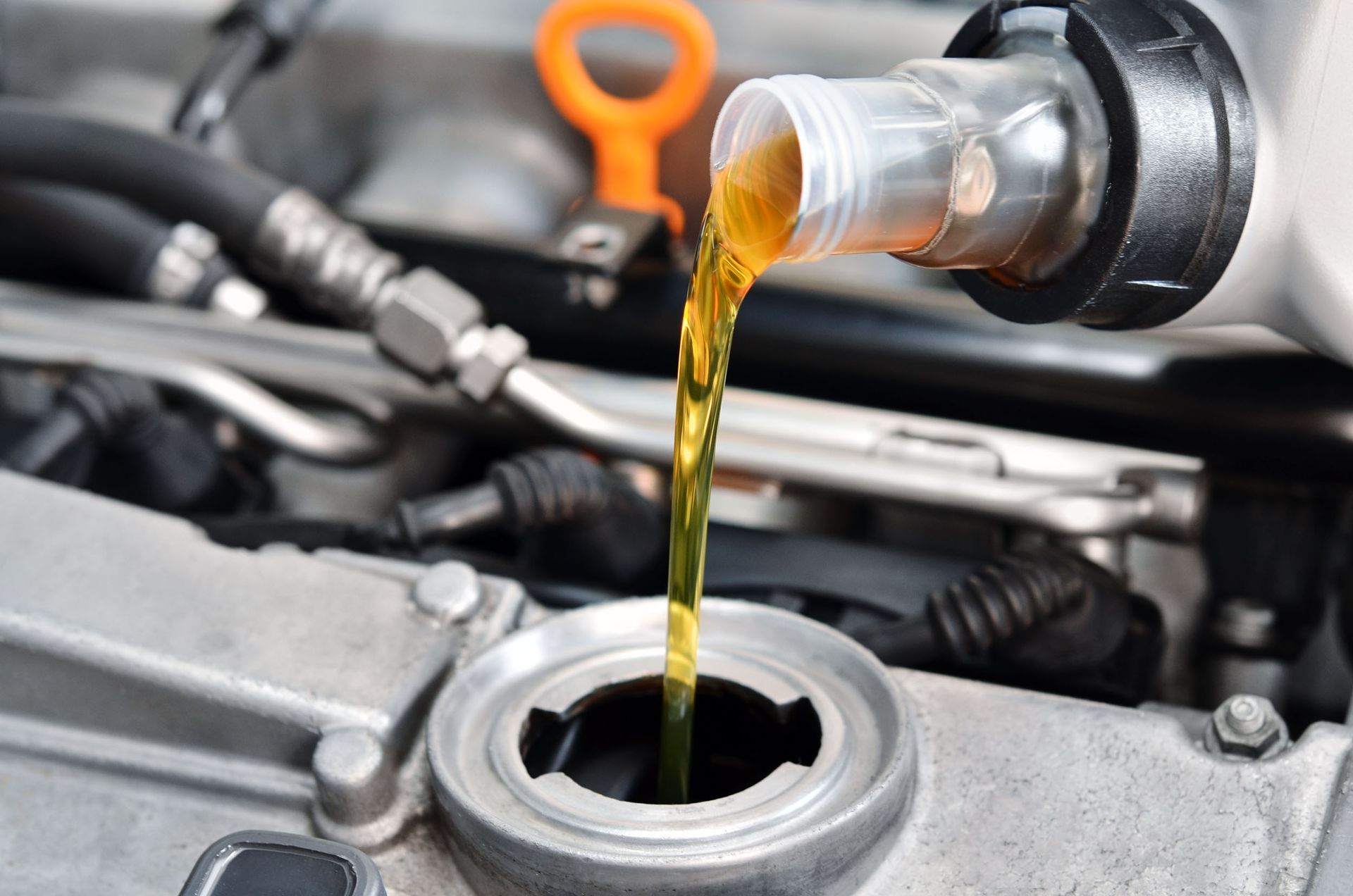
Engine oil provides valuable clues about your vehicle’s condition. Fresh oil typically has a clean, amber appearance and a mild odor. Over time, as it collects contaminants and breaks down, it becomes darker and thicker. While some darkening is normal, excessively dirty or sludgy oil can indicate that it has been left in the engine for too long.
In addition to visual changes, the smell of the oil can also be revealing. A burnt odor may suggest that the oil has been exposed to excessive heat and is no longer providing adequate protection. This can increase the risk of overheating and internal damage.
Regular inspections by a qualified technician can help assess the condition of your oil and determine whether it needs to be replaced. Keeping track of these changes ensures that your engine continues to receive the protection it requires.
Detect Decreased Fuel Efficiency
Another often-overlooked consequence of neglected maintenance is reduced fuel efficiency. Clean, properly functioning oil allows engine components to move freely, minimizing resistance and optimizing performance. When oil becomes degraded, the engine must work harder to perform the same tasks, leading to increased fuel consumption.
Drivers may notice that they need to refuel more frequently or that their vehicle’s overall efficiency has declined. While many factors can influence fuel usage, overdue oil changes are a common contributor that is sometimes underestimated.
Maintaining a consistent oil change schedule supports not only engine health but also overall efficiency. By ensuring that your engine operates smoothly, you can help reduce unnecessary fuel consumption and maintain reliable performance.
Understand the Risk of Engine Overheating
Engine oil plays a crucial role in regulating temperature by reducing friction and helping dissipate heat. When oil is old or insufficient, it loses its ability to perform this function effectively. As a result, heat can build up within the engine, increasing the risk of overheating.
Overheating can lead to a range of serious issues, from warped components to complete engine failure. These problems often require extensive repairs and can significantly impact the lifespan of your vehicle. Preventing overheating starts with maintaining proper lubrication through regular oil changes.
Even if your vehicle appears to be functioning normally, inadequate oil can silently contribute to rising temperatures over time. Addressing this issue proactively helps ensure that your engine remains protected under all driving conditions.
Evaluate Long-Term Engine Wear and Damage
The cumulative effects of skipped maintenance can be severe. Without proper lubrication, internal components experience increased friction, leading to accelerated wear. Over time, this can result in damage to critical parts such as pistons, bearings, and camshafts.
This type of wear often develops gradually, making it difficult to detect until significant damage has already occurred. Once internal components are compromised, repairs can become complex and costly. In some cases, complete engine replacement may be necessary.
Maintaining a consistent oil change routine is one of the most effective ways to protect your vehicle from long-term damage. By ensuring that your engine remains properly lubricated, you can help extend its lifespan and preserve its overall performance.
It is worth noting that, according to the U.S. Energy Information Administration, even though petroleum use in transportation is expected to decline by roughly 10% by 2050, it will still serve as the primary energy source. This highlights the continued importance of lubrication products like engine oil in maintaining vehicle performance for years to come.
Forgetting or delaying an oil change may seem like a minor oversight, but its impact can be far-reaching. From subtle performance changes to serious engine damage, the consequences often build quietly before becoming impossible to ignore. Recognizing the warning signs early and understanding the role of proper lubrication can make a significant difference in your vehicle’s longevity.
Staying proactive with maintenance is not just about avoiding repairs—it is about preserving the reliability and efficiency of your vehicle. By paying attention to your car’s signals and addressing issues promptly, you can ensure that it continues to perform at its best.
At Xperts Auto Center, we understand how essential routine maintenance is to keeping your vehicle running smoothly. Our experienced team is here to help you stay ahead of potential issues with professional oil change services and comprehensive care. Let us work together to protect your engine and keep your vehicle performing at its best for the road ahead.