July 29, 2026
Your vehicle's engine is one of its most valuable and complex components, and keeping it in excellent condition requires consistent maintenance. While modern vehicles are built to last longer than ever before, they still depend on routine service to prevent unnecessary wear and expensive repairs. One of the most effective ways to extend the life of your engine is to schedule an oil change at the appropriate intervals, ensuring every moving component receives the lubrication and protection it needs.
Many drivers underestimate the impact that fresh engine oil has on overall vehicle performance. Clean oil not only lubricates internal parts but also helps regulate temperature, reduce friction, and capture contaminants that would otherwise circulate through the engine. By understanding why this routine maintenance matters, vehicle owners can make smarter decisions that improve reliability and reduce long-term ownership costs.
Protection Against Friction and Wear
Every time your engine runs, hundreds of internal components move at extremely high speeds. Pistons, bearings, crankshafts, valves, and camshafts rely on a thin film of oil to separate metal surfaces and prevent direct contact. Without proper lubrication, these parts generate excessive friction that accelerates wear and shortens engine life.
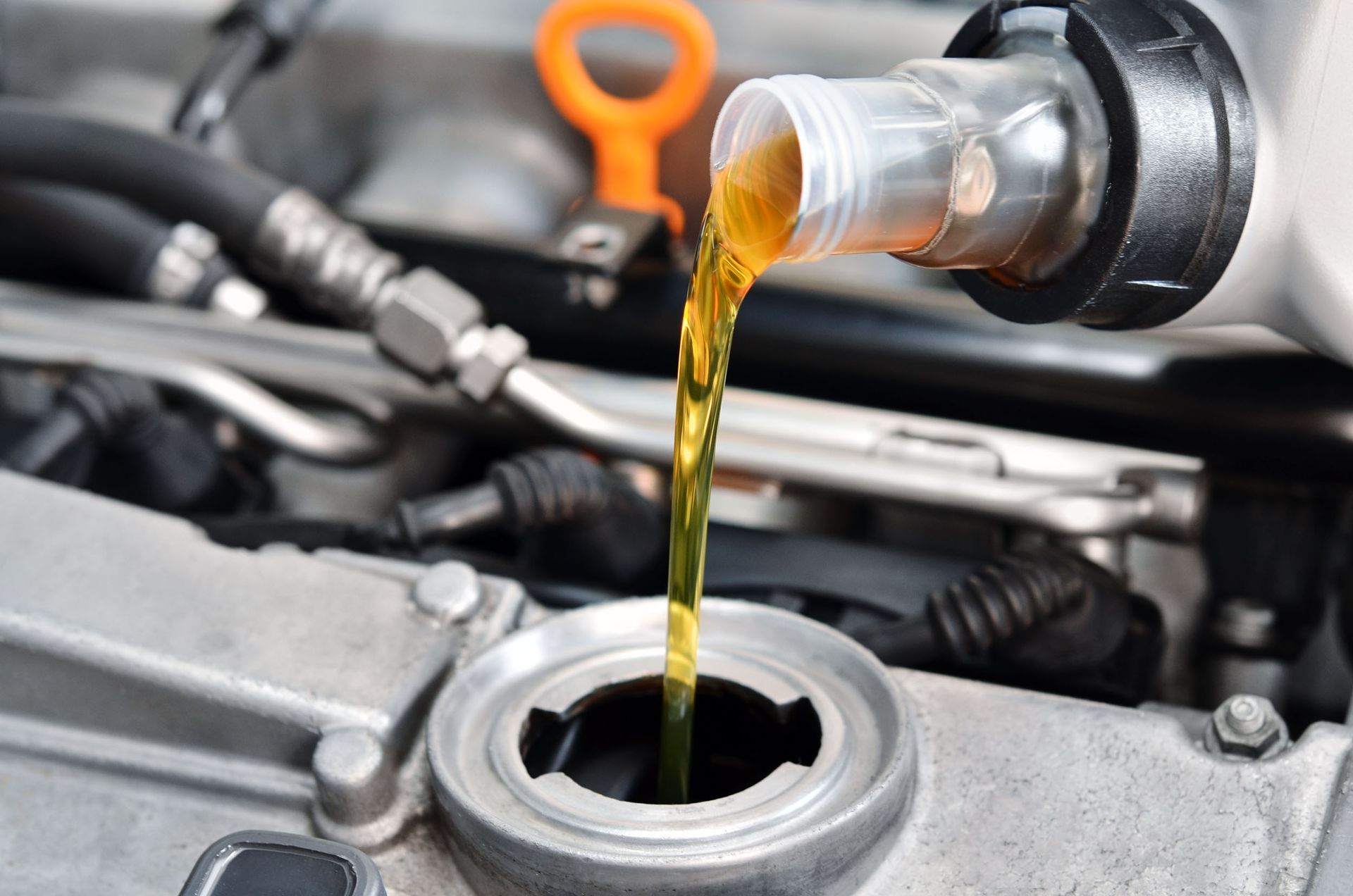
A scheduled oil change replaces degraded lubricant before it loses its protective qualities. Fresh oil forms a durable barrier between moving parts, minimizing friction and reducing the amount of heat generated inside the engine. This simple maintenance task helps preserve critical engine components that would otherwise experience unnecessary damage over time.
As oil ages, it becomes contaminated with microscopic metal particles, carbon deposits, moisture, and dirt. These contaminants reduce lubrication efficiency and make the oil thicker, limiting its ability to circulate properly throughout the engine. When dirty oil remains in service for too long, it can contribute to increased engine wear and reduced performance.
Modern engines are designed with tight manufacturing tolerances that require clean, high-quality lubrication. Even small increases in friction can gradually affect performance, fuel efficiency, and reliability. Keeping fresh oil in the engine ensures these precision components continue operating as intended.
Prevention of Heat and Sludge
Engine oil performs more than lubrication alone. It also absorbs and transfers heat away from internal engine parts, helping maintain stable operating temperatures during everyday driving. This cooling function becomes especially important during long trips, stop-and-go traffic, heavy towing, or hot weather conditions.
An overdue oil change allows oil to lose many of its heat-management properties. As the lubricant deteriorates, it struggles to carry heat efficiently, placing additional stress on engine components. Excessive heat speeds up oil breakdown even further, creating a cycle that increases the likelihood of premature engine wear.
Old oil can also oxidize and combine with contaminants to form sludge. This thick, sticky residue accumulates inside the engine and can restrict oil passages, making it harder for lubricant to reach critical components. Sludge buildup may eventually lead to reduced performance, overheating, or expensive internal repairs.
Routine maintenance prevents these deposits from becoming severe. Replacing engine oil on schedule helps keep the lubrication system cleaner while allowing the oil filter to continue capturing harmful particles before they circulate through the engine. According to the Motorist Assurance Program, most vehicles should receive an oil change somewhere between approximately 3,000 and 7,500 miles, depending on the type of oil used and the driving conditions the vehicle experiences.
Performance Through Consistent Maintenance
Drivers often notice smoother engine operation after fresh oil is installed. Proper lubrication reduces resistance between moving components, allowing the engine to operate more efficiently while delivering consistent power. This improvement may not always be dramatic, but it contributes to a better driving experience over thousands of miles.
A timely oil change also supports improved fuel economy. When engine components move with less friction, the engine does not need to work as hard to produce the same level of performance. Although fuel savings vary depending on the vehicle and driving habits, maintaining clean oil helps optimize efficiency.
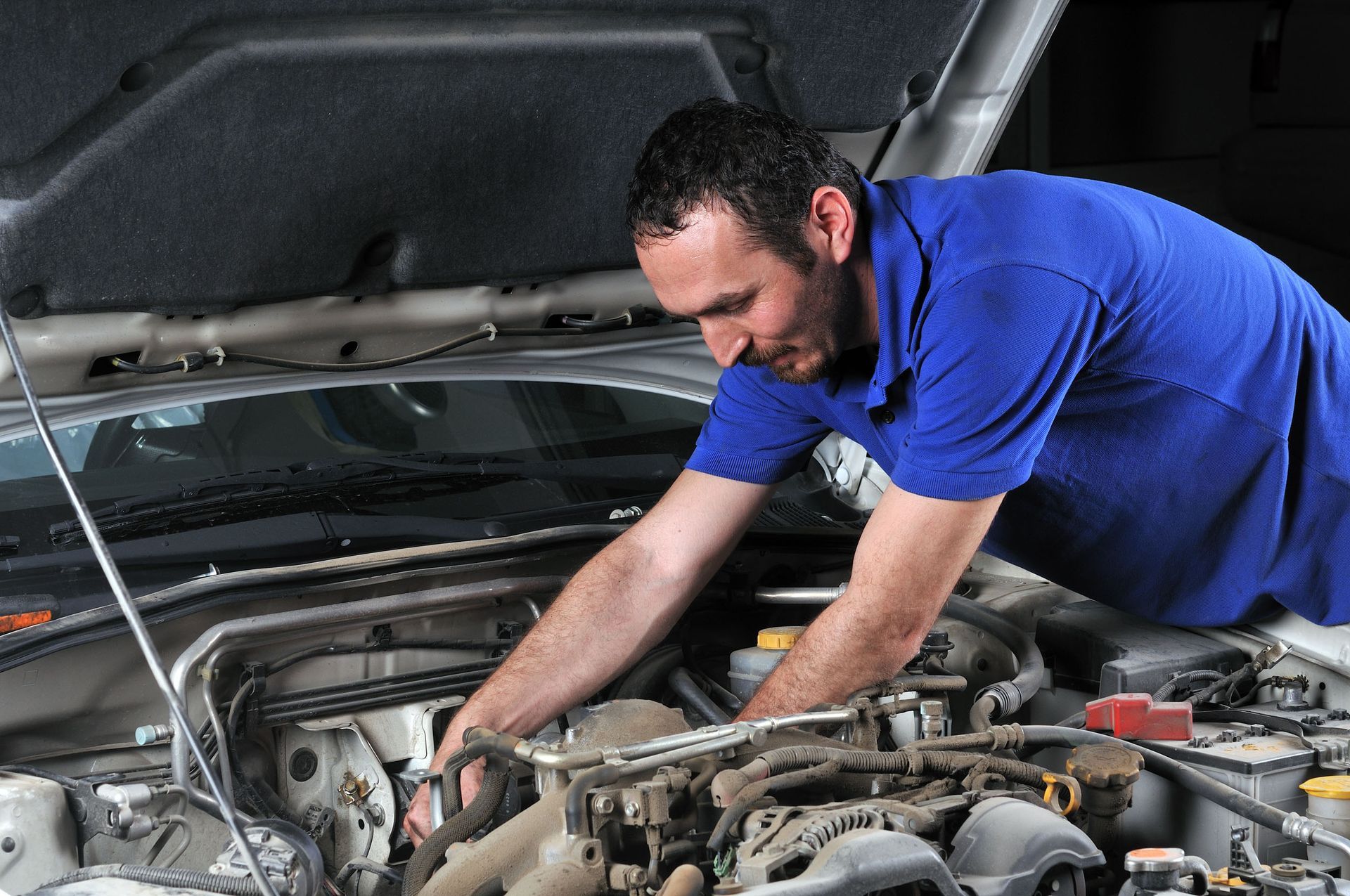
Consistent maintenance also allows technicians to inspect other important systems during service visits. Oil filters, fluid levels, belts, hoses, and visible engine components can often be checked while performing routine maintenance. Identifying small issues early may prevent them from developing into larger mechanical problems later.
Vehicle manufacturers carefully design maintenance schedules based on extensive testing. Following those recommendations protects warranties, maintains engine performance, and helps preserve resale value. Buyers frequently appreciate documented maintenance records because they demonstrate responsible vehicle ownership.
Savings Through Preventive Care
Engine repairs can become extremely expensive when routine maintenance is neglected. Replacing worn bearings, repairing damaged valve trains, or rebuilding an engine often costs thousands of dollars. Preventive service represents a relatively small investment compared to the financial burden of major mechanical failures.
Scheduling an oil change at recommended intervals significantly reduces the likelihood of lubrication-related engine damage. Instead of allowing contaminants to circulate indefinitely, fresh oil restores proper protection and helps maintain healthy engine operation. Over the lifetime of a vehicle, this maintenance can contribute to substantial savings.
Preventive care also minimizes the risk of unexpected breakdowns. Drivers who maintain their vehicles consistently are generally less likely to experience engine-related failures during road trips or daily commutes. Greater reliability means fewer interruptions, lower repair expenses, and increased confidence behind the wheel.
Long-term ownership becomes more economical when maintenance remains consistent. Vehicles with healthy engines typically retain their performance longer, require fewer major repairs, and often achieve higher resale values. Investing in regular service helps maximize the value of every mile driven.
Even drivers who accumulate relatively low annual mileage should avoid postponing maintenance indefinitely. Engine oil naturally degrades over time due to oxidation, temperature changes, and moisture accumulation, even if a vehicle sits unused for extended periods. Time-based maintenance intervals are just as important as mileage recommendations for protecting engine health.
Driving conditions also influence how quickly oil deteriorates. Frequent short trips, stop-and-go commuting, dusty environments, mountainous terrain, and towing heavy loads place additional stress on the lubrication system. Under these circumstances, maintenance intervals may need to be shorter than those for primarily highway driving.
Choosing the correct oil viscosity and specification is another important factor in engine longevity. Manufacturers engineer engines around specific oil formulations that provide the appropriate level of protection under expected operating conditions. Using the recommended oil ensures optimal lubrication, proper flow during cold starts, and dependable protection across a wide range of temperatures.
Professional technicians can also identify subtle warning signs that vehicle owners might overlook. During an oil change, they may notice leaks, unusual fluid conditions, worn seals, or developing mechanical concerns before those issues become serious. Early diagnosis often results in less expensive repairs and helps keep vehicles safely on the road.
Long-term engine health depends on consistent care rather than waiting for problems to appear. Clean engine oil reduces friction, manages heat, prevents sludge formation, improves efficiency, and protects the many precision components that keep your vehicle running smoothly. Staying current with every
oil change is one of the simplest and most cost-effective ways to extend engine life, improve reliability, and reduce the likelihood of costly repairs.
At Xperts Auto Center, we take pride in helping our customers protect their vehicles with dependable maintenance and expert service. We believe every driver deserves honest recommendations, quality workmanship, and personalized care that keeps engines performing at their best. Contact us today, and we'll make sure your vehicle receives the professional attention it needs to stay reliable for many miles ahead.