November 25, 2026
Every automobile relies on an intricate network of mechanical, electrical, and hydraulic components designed to operate under severe heat, intense friction, and harsh environmental conditions. When vehicle owners adhere to structured preventative care routines, they preserve baseline performance, enhance overall fuel economy, and dramatically minimize the risk of inconvenient mechanical breakdowns. According to S&P Global Mobility, more than 70% of vehicles on the road are at least 6 years old, increasing the demand for car repairs and maintenance services. This statistical reality highlights an important consumer shift: drivers are holding onto their passenger vehicles for significantly longer periods than previous generations. As automobiles age, their baseline tolerance for mechanical neglect plummets, making routine maintenance far more critical. Consistent servicing protects vehicle resale value and transforms unpredictable automotive expenses into predictable, manageable operational costs.
Protecting Engine Longevity with Scheduled Oil Changes
Motor oil functions as the vital lifeblood of any internal combustion powertrain, lubricating moving components, cooling high-friction zones, and safely suspending abrasive combustion contaminants. Over accumulated miles, motor oil steadily shears, loses its protective viscosity, and absorbs carbon particulates, transforming from an effective lubricant into harmful, abrasive sludge. Adhering strictly to original equipment manufacturer service intervals prevents catastrophic thermal degradation within cylinder blocks, valvetrain assemblies, and delicate crankshaft bearings. Using the exact viscosity grade and quality specifications mandated by the manufacturer ensures optimal operational tolerances across all temperatures. Performing routine motor oil replacements represents a modest preventative investment compared to the devastating financial expense of complete engine failure. Consistently clean lubricant optimizes internal friction levels, supporting fuel economy while sparing drivers from sudden, ruinously expensive car repairs.
Maximizing Tire Performance and Road Safety
Pneumatic tires represent the single physical point of contact between thousands of pounds of vehicle machinery and the paved road surface. Ensuring proper tire inflation levels remains paramount for safety; underinflated tires generate excess internal heat, accelerate sidewall wear, and compromise emergency braking efficiency on wet highways. Conversely, overinflation reduces the physical contact patch, yielding uneven center tread wear and harsh road vibration. Systematic tire rotations—conducted every five thousand to seven thousand miles—counteract natural axle weight imbalances and front-wheel scrub patterns, promoting uniform wear across all four wheels. Regular suspension alignments and wheel balancing procedures also protect sensitive steering linkages from harmonic vibrations. Diligent tire stewardship preserves dependable traction across variable driving surfaces, preventing dangerous road blowouts and mitigating secondary strain on expensive suspension components.
Maintaining Braking Systems for Dependable Stopping Power
The automotive braking mechanism converts kinetic energy into thermal energy via controlled hydraulic friction across pads, shoes, and cast-iron rotors. Because friction materials wear down gradually with every deceleration cycle, routine physical measurements of brake pad thickness prevent destructive metal-on-metal rotor contact. Ignoring early warning signs, such as squealing wear indicators, pulsing pedals, or extended stopping distances, rapidly turns basic servicing into extensive car repairs. Furthermore, hygroscopic brake fluid absorbs ambient atmospheric moisture over prolonged operation, which significantly lowers the fluid boiling point and causes internal corrosion within hydraulic brake lines. Routine hydraulic flushes and timely friction pad replacements preserve firm pedal response, maintain anti-lock braking precision, and ensure vehicle occupants remain protected during sudden, high-stress emergency stops.
Monitoring Essential Fluids to Safeguard Mechanical Components
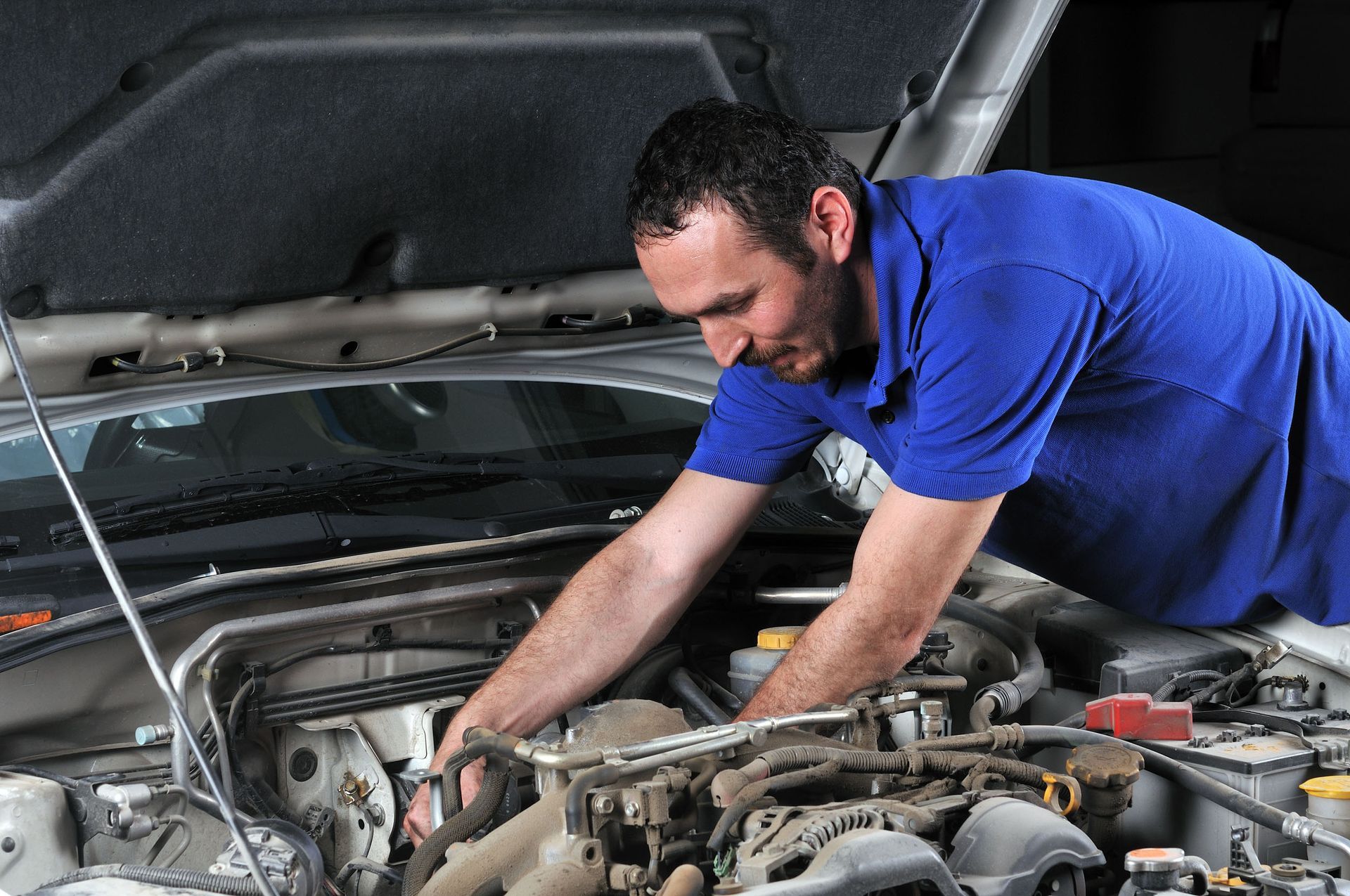
Beyond engine motor oil, multiple specialized automotive fluids maintain vital sub-assemblies under intense thermal and mechanical stress. Automatic transmission fluid lubricates complex planetary gearsets, conditions sensitive internal clutch packs, and enables smooth hydraulic valve body shifting. Engine coolant balances heat dissipation while actively inhibiting internal rust within radiator cores, water pumps, and interior heater cores. Similarly, power steering fluid cushions hydraulic steering racks, ensuring effortless directional steering control without mechanical binding. Ignoring fluid degradation or letting fluid levels drop below manufacturer thresholds often precipitates system overheating, component seizure, and emergency car repairs. Establishing a routine habit of checking fluid levels and inspecting underbody trays for telltale fluid drops prevents minor seepage from cascading into systemic hydraulic failures.
Testing Electrical Systems and Battery Reliability
Modern vehicles function as sophisticated mobile electronic networks, powering advanced sensors, driver-assist cameras, complex lighting, and computerized engine control modules. At the core of this complex infrastructure sits the 12-volt chemical battery and alternator charging system. Lead-acid batteries undergo continuous chemical degradation influenced heavily by ambient temperature extremes; summer heat accelerates internal plate corrosion, while freezing winter temperatures diminish available cold cranking amps. Inspecting terminal clamps for corrosive white sulfate buildup preserves electrical conductivity and overall charging stability. Conducting semi-annual diagnostic battery load testing determines internal cell health long before sudden starting failure leaves drivers stranded. Routine electrical checks protect delicate digital processors from irregular voltage spikes, preserving vehicle functionality and avoiding unexpected roadside disablement.
Analyzing the True Financial Costs of Deferred Maintenance
Automobile ownership inherently carries recurring operational costs, yet drivers hold significant power over whether those expenses remain predictable or become financially destructive. Budgeting for recurring preventive upkeep—such as spark plug replacements, cabin filter swaps, and transmission fluid exchanges—enables households to manage their transportation spending without sudden economic shock. Conversely, deferring routine service under the mistaken belief of saving money invariably triggers compounding failures that necessitate major car repairs. For example, delaying a straightforward timing belt replacement can culminate in snapped valves, pierced pistons, and catastrophic internal engine destruction requiring thousands of dollars to rectify. Financial modeling continuously demonstrates that every dollar allocated toward routine preventative maintenance yields substantial compounding savings by circumventing exorbitant towing charges, diagnostic fees, and emergency workshop labor bills.
Mitigating Expensive Breakdowns Through Proactive Inspections
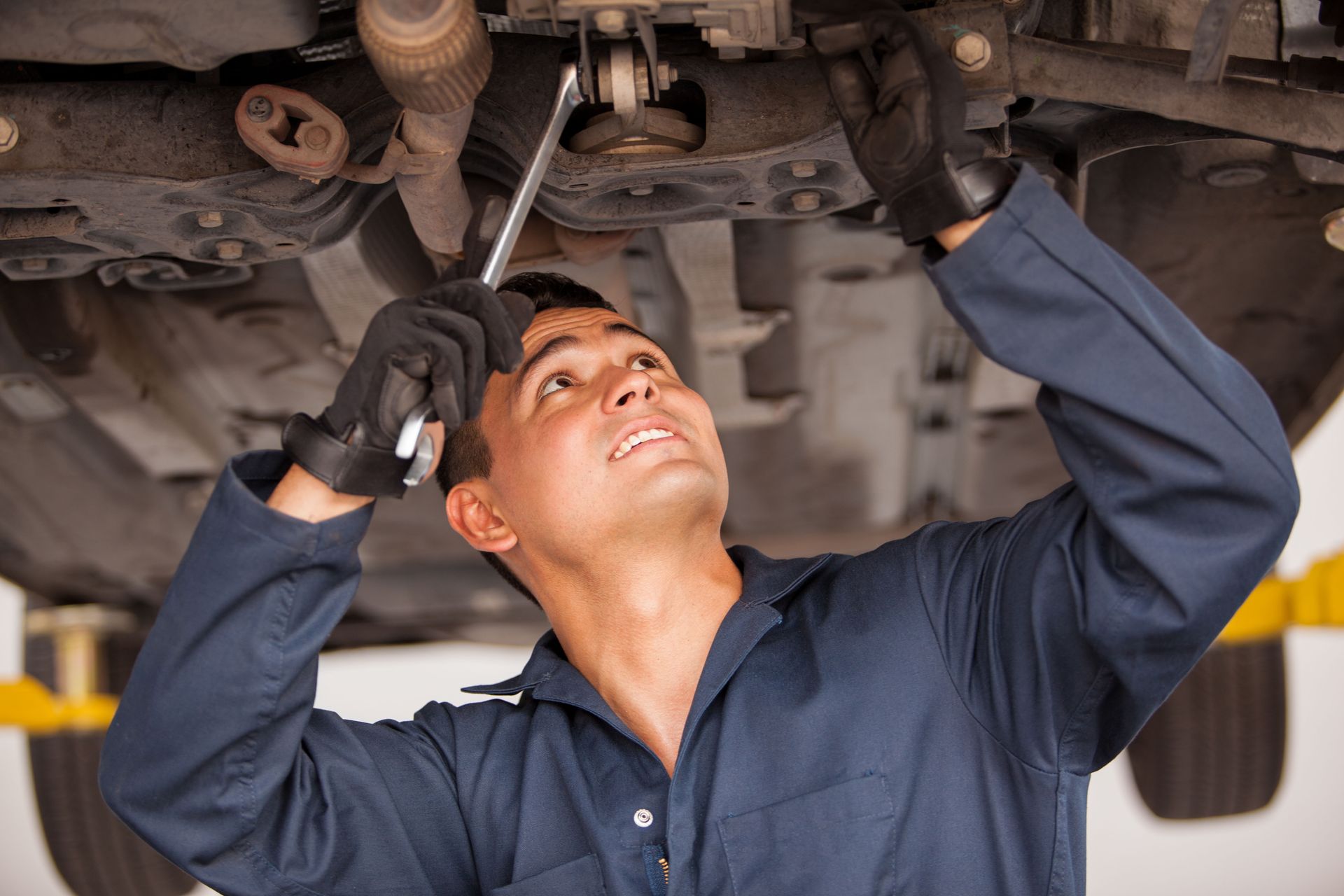
Professional multi-point vehicle inspections serve as an indispensable early warning system for hidden mechanical wear and tear. Certified automotive technicians utilize computerized diagnostic tools to read pending diagnostic trouble codes stored inside vehicle control modules long before check-engine lights illuminate. Technicians also evaluate physical components that ordinary drivers rarely inspect, such as torn constant-velocity boots, split suspension bushings, weeping shock absorbers, and fraying accessory drive belts. Catching a deteriorating rubber grease boot early prevents road grit from destroying an expensive driveshaft axle joint. Investing in thorough seasonal inspections delivers verifiable peace of mind, systematically eliminating safety hazards while ensuring that vehicle owners avoid unexpected car repairs that disrupt daily work schedules and family travel commitments.
Replacing Aging Components Before Failure Occurs
Every mechanical component within an automobile exhibits a distinct engineering lifecycle governed by thermal cycles, mechanical friction, and cumulative operational hours. A robust preventative maintenance program prioritizes replacing high-wear components at scheduled lifecycle intervals rather than waiting for outright operational failure on an active roadway. Critical items such as engine thermostats, radiator hoses, serpentine belts, ignition coils, and cabin air filters should be renewed proactively based on manufacturer mileage recommendations. A failed radiator cooling hose can dump engine coolant instantly, causing catastrophic cylinder head warping within mere minutes of highway operation. Adopting a structured component lifecycle replacement strategy guarantees mechanical reliability, stabilizes long-term vehicle operating budgets, and avoids emergency car repairs during critical family transit.
Preparing Vehicles for Seasonal Weather Transitions
Severe seasonal weather shifts impose unique physical demands upon mechanical assemblies, making dedicated seasonal maintenance indispensable for automotive dependability. Transitioning into freezing winter months demands verifying coolant freeze protection ratings, inspecting flexible windshield wiper blades, testing heating defrosters, and ensuring washer reservoirs contain freeze-resistant alcohol blends. Conversely, scorching summer conditions challenge radiator heat dissipation and push air conditioning compressors to their thermodynamic limits. Practicing proactive seasonal care shields drivers from inconvenient climate-related breakdowns, preserves passenger comfort, and minimizes unexpected car repairs throughout every season. To keep your vehicle operating at peak performance and protect your budget from preventable breakdowns, schedule your next comprehensive maintenance inspection with the experienced technicians at Xperts Auto Center today.