Turning the key in the ignition each morning is an act of trust that most drivers rarely think twice about. Whether you are commuting across town during rush hour, dropping kids off at school, or heading out on a weekend road trip, you rely on thousands of mechanical and electronic parts working together seamlessly beneath the hood. Modern vehicles are remarkable machines, packed with computerized sensors, hydraulic braking circuits, and precision drivetrain components designed to deliver smooth, dependable transportation. However, even the best-built car or truck faces constant friction, extreme seasonal temperatures, and rough pavement every time it leaves the driveway.
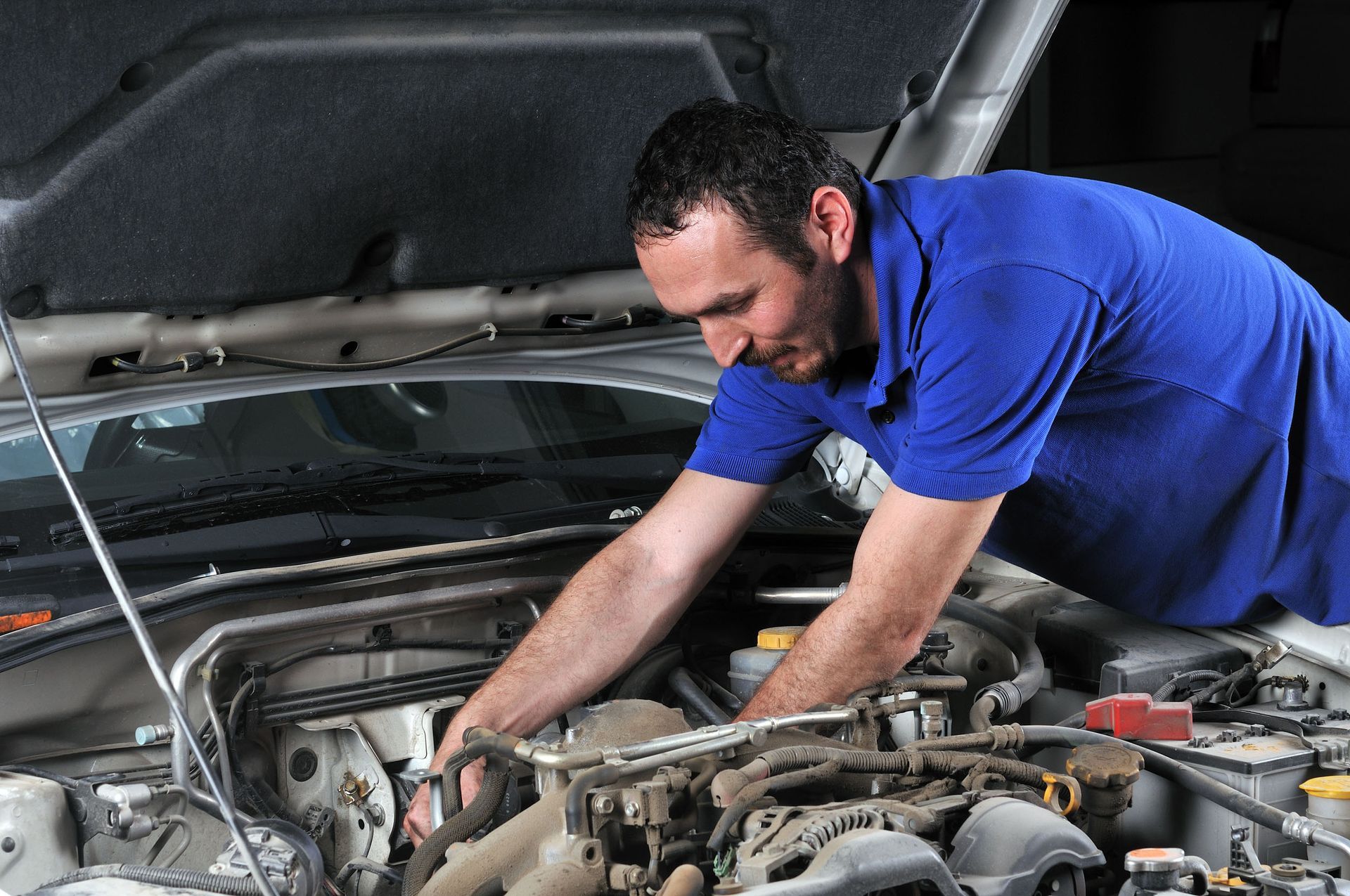
When small warning signs appear—like a faint squeak when tapping the brakes, a sluggish engine crank on chilly mornings, or an illuminated check engine light—ignoring them puts both your wallet and your personal safety at risk. According to IBIS, more than 250,000–270,000 ASE-certified professionals work across the U.S. automotive repair industry, ensuring service quality and safety standards. Bringing your car into a trusted auto repair shop ensures that trained specialists catch hidden wear before a minor hiccup turns into a dangerous roadside breakdown. Understanding how skilled technicians inspect, diagnose, and maintain every core system shows how professional automotive care keeps your vehicle safe and road-ready year-round.
Performing Accurate Electronic Diagnostics and Check Engine Checks
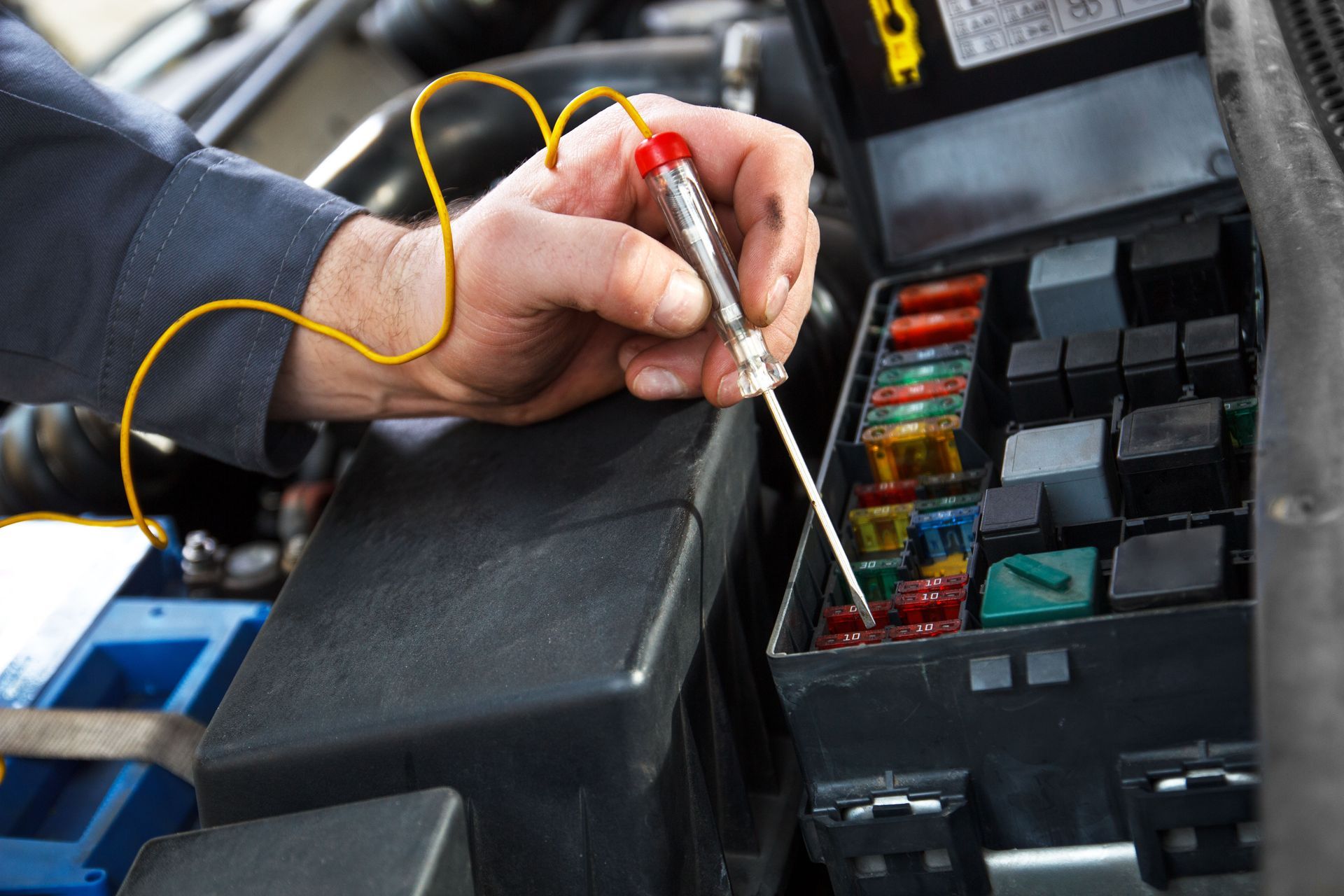
Today's vehicles operate on sophisticated onboard computers that monitor everything from fuel mixture ratios and oxygen sensors to ignition timing and transmission shift points. When a sensor detects an irregularity, it triggers a warning light on your instrument cluster and stores specific trouble codes inside the computer memory. Guessing at what caused a warning light often leads to buying unnecessary replacement parts while leaving the real problem unresolved.
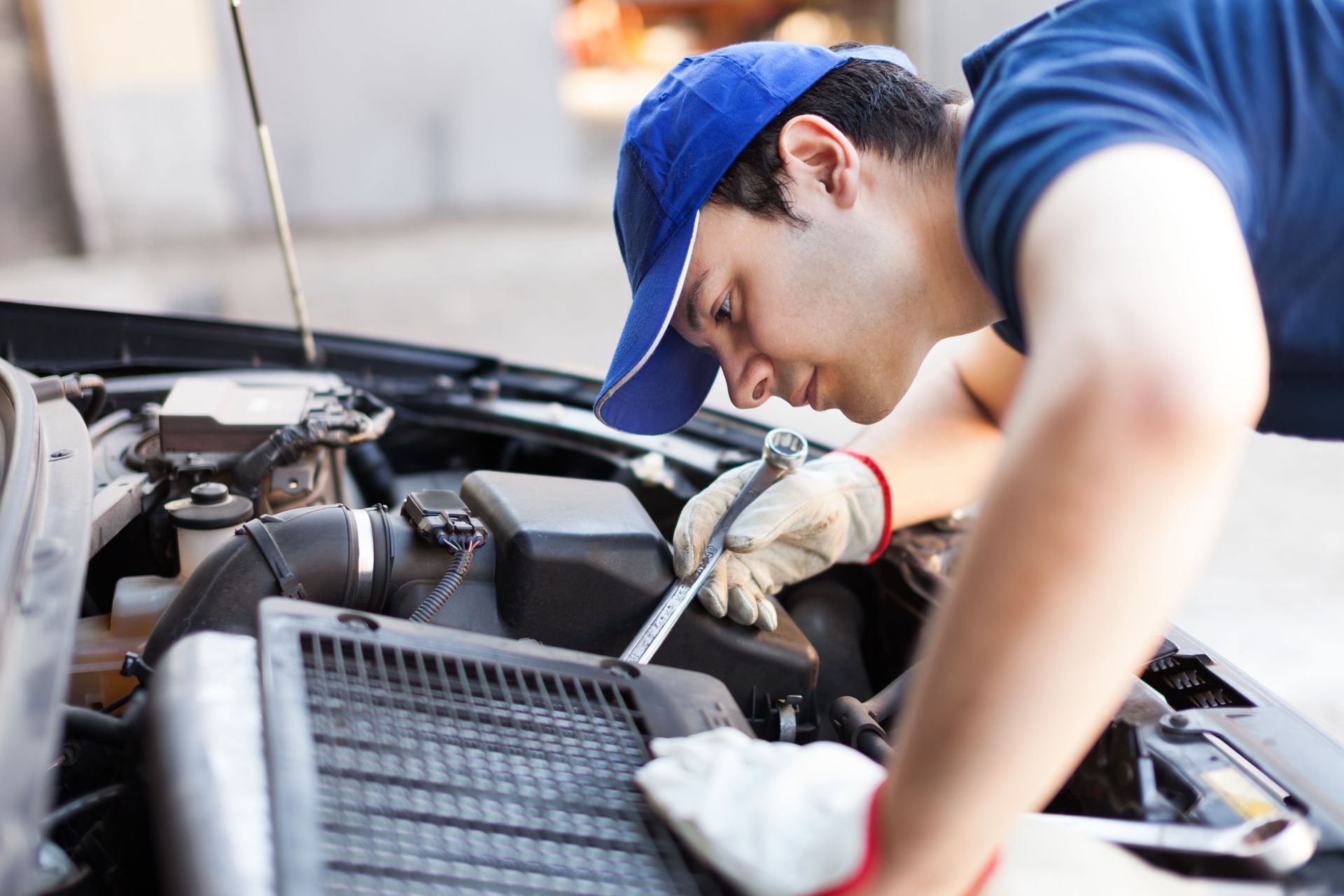
Visiting a well-equipped auto repair shop connects your car with advanced factory-grade diagnostic scanners and seasoned troubleshooting expertise. Technicians read trouble codes, analyze live sensor data streams, and test electrical circuits to pinpoint the exact root cause of performance dips or dashboard alerts. Accurate diagnostics eliminate guesswork, save you money on trial-and-error part swaps, and ensure your engine runs cleanly and safely on every trip.
Inspecting Brake Pads, Rotors, and Hydraulic Lines
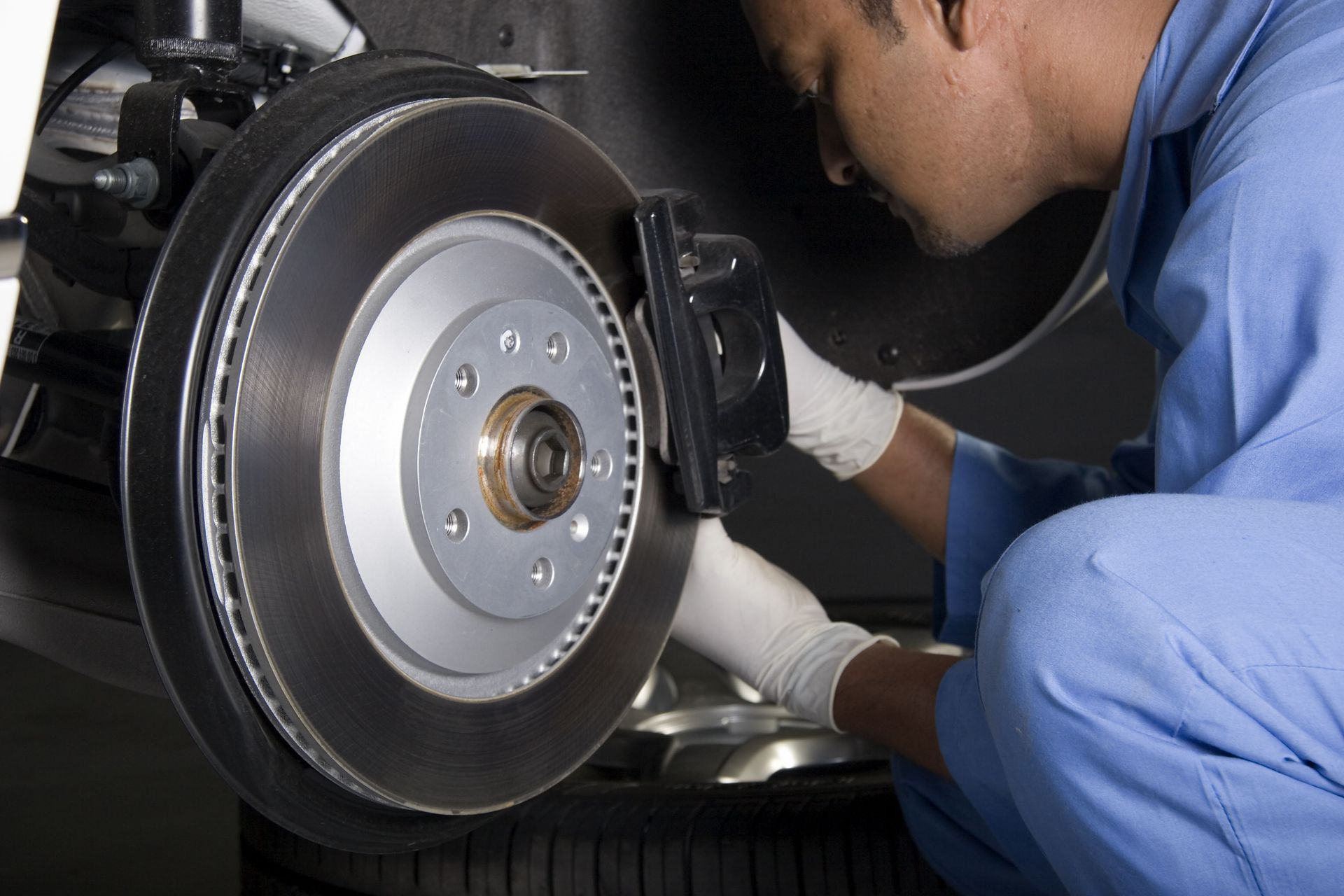
Few vehicle systems carry greater responsibility for your personal safety than your brakes. Every time you press the brake pedal, hydraulic fluid transfers force to calipers that clamp friction pads tightly against spinning metal rotors, converting forward momentum into heat to bring your vehicle to a controlled stop. Over thousands of miles of stop-and-go city driving, brake pads wear thin, rotors develop heat grooves, and brake fluid absorbs moisture that lowers its boiling point.
Scheduling routine brake inspections at a reliable auto repair shop keeps your stopping distances short and predictable in both dry sunshine and heavy rainstorms. Mechanics measure remaining friction pad thickness, check rotors for warping, inspect rubber brake hoses for cracks, and test hydraulic pressure across every wheel. Replacing worn pads and flushing old brake fluid before metal grinds against metal protects expensive rotors and ensures confident stopping power when traffic stops suddenly ahead.
Maintaining Fresh Oil, Filters, and Fuel Systems
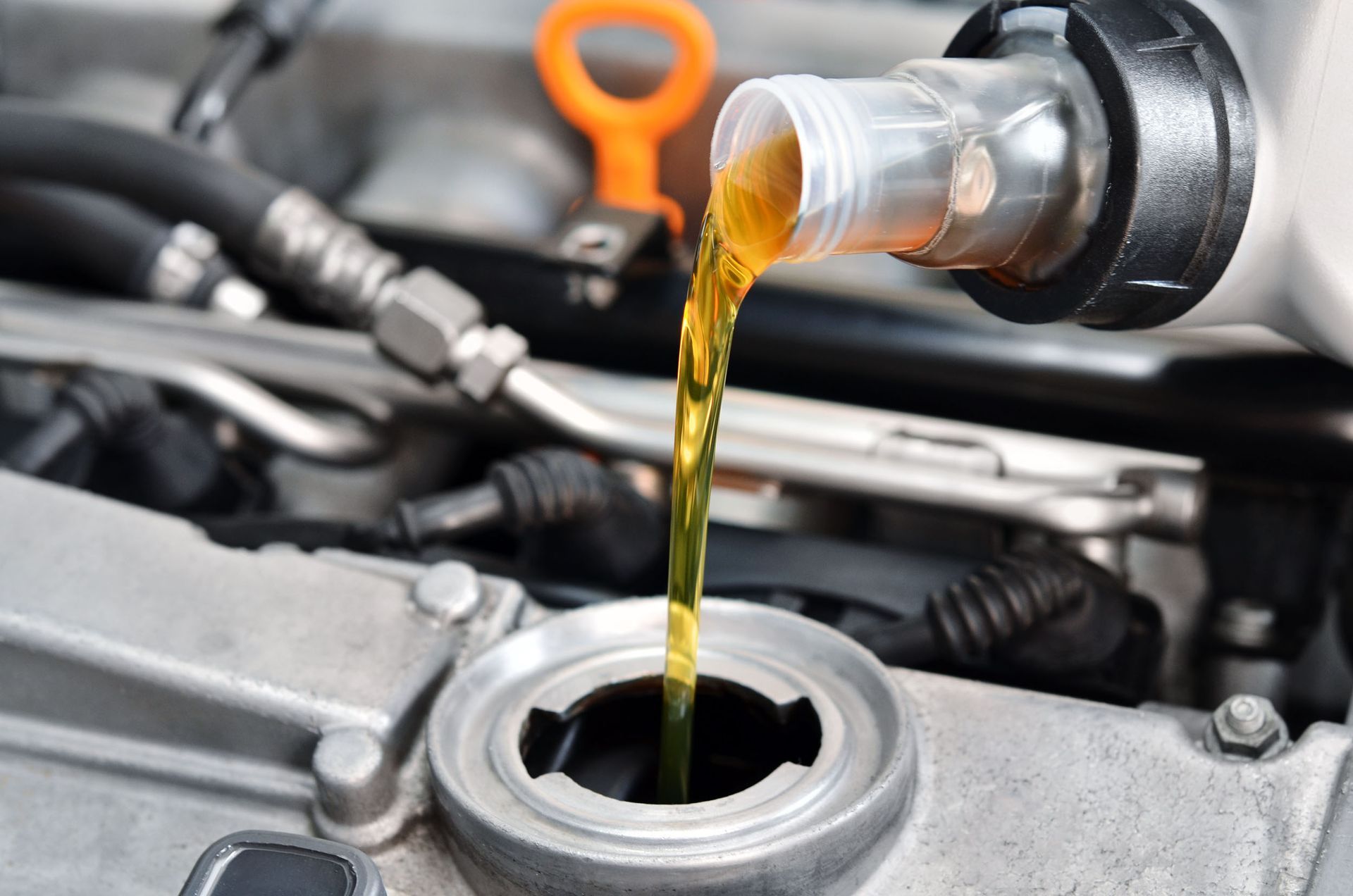
Consistent routine maintenance is the true foundation of vehicle longevity and dependable daily driving. Motor oil lubricates fast-moving internal engine bearings, cools scorching metal surfaces, and traps microscopic carbon particles before they form damaging sludge. At the same time, clean engine air filters and clear fuel injectors ensure your engine breathes freely and burns fuel efficiently without stalling or misfiring.
Partnering with a local auto repair shop for regular oil changes, air filter replacements, and fuel system cleanings prevents premature engine wear. Technicians drain broken-down oil, install fresh filters, and clean carbon deposits from fuel injectors and throttle bodies to restore crisp acceleration and optimal gas mileage.
Testing Batteries, Alternators, and Starter Motors
Nothing ruins a busy morning faster than turning the key and hearing a weak clicking noise—or complete silence—from under the hood. Your vehicle's starting and charging system works as a three-part team: the battery supplies the initial surge of electrical current, the starter motor cranks the engine over, and the alternator recharges the battery while powering headlights, wipers, and dashboard electronics as you drive.
Stopping by an auto repair shop for electrical system testing catches weak batteries and failing alternators before they leave you stranded in a dark parking lot. Technicians perform digital load tests on the battery, measure alternator charging voltage under electrical load, and inspect battery cables for hidden corrosion. Replacing a tired battery or worn starter early ensures quick, dependable engine starts regardless of how harsh the weather gets outside.
Servicing Radiators, Belts, and Cooling Circuits
Under the hood, combustion engines generate tremendous heat that would quickly warp aluminum cylinder heads and melt internal seals without a properly functioning cooling system. Your radiator, water pump, thermostat, and rubber coolant hoses circulate antifreeze continuously to keep engine temperatures balanced in bumper-to-bumper summer traffic.
Having technicians at an auto repair shop inspect cooling components and drive belts protects your engine from catastrophic overheating. Mechanics pressure-test radiators and heater cores for pinhole leaks, check rubber hoses for soft spots or bulging, inspect serpentine belts for cracks, and flush old, acidic coolant. Maintaining a tight, leak-free cooling circuit keeps engine temperatures steady and saves you from expensive head gasket repairs.
Aligning Steering Components and Suspension Parts
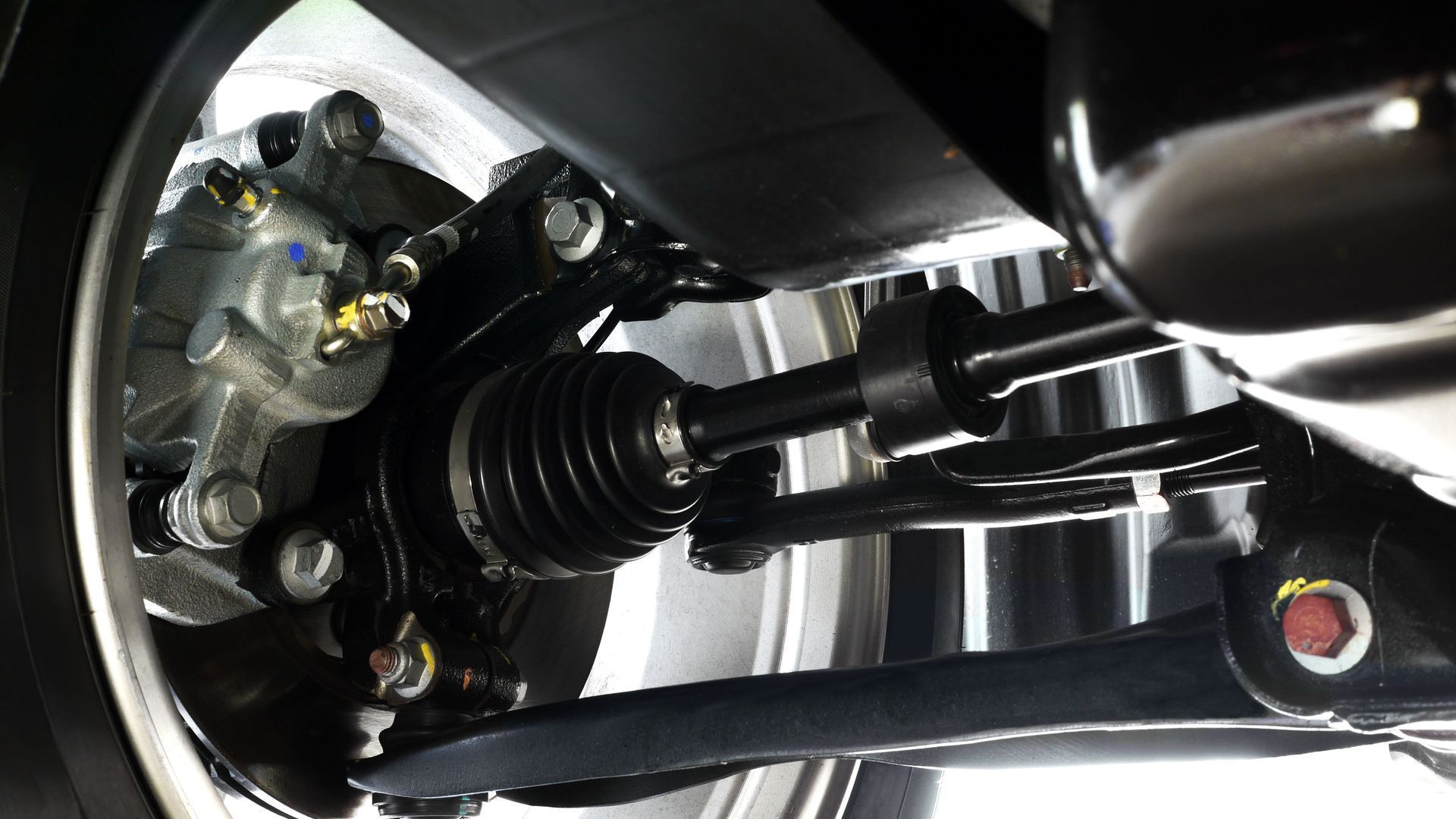
Potholes, uneven pavement, speed bumps, and railroad crossings steadily batter your vehicle's shocks, struts, ball joints, control arms, and tie rod ends. As suspension and steering parts loosen or wear out, your car begins drifting toward one side of the highway, bouncing excessively over bumps, or vibrating through the steering wheel. Compromised steering geometry not only makes highway driving exhausting, it also ruins expensive tires prematurely and reduces traction during emergency maneuvers.
Bringing your vehicle into an auto repair shop for steering and suspension care restores crisp handling and a comfortable, stable ride. Skilled mechanics inspect wheel bearings, replace leaking struts or worn ball joints, and align suspension angles back to exact factory specifications.
Repairing Transmissions, Mufflers, and Exhaust Pipes
Your transmission and exhaust system work behind the scenes to deliver smooth power to the wheels while routing harmful combustion gases safely away from the cabin. Inside the transmission, clean hydraulic fluid keeps intricate gears shifting smoothly without slipping or shuddering. Beneath the chassis, solid exhaust pipes, catalytic converters, and mufflers quiet engine noise and prevent dangerous carbon monoxide fumes from leaking into passenger spaces.
Relying on a full-service auto repair shop for transmission maintenance and exhaust repairs protects both drivability and passenger health. Technicians check transmission fluid levels for burnt odors, inspect pan gaskets for leaks, and repair rusted muffler hangers or cracked exhaust pipes promptly. Keeping your transmission shifting cleanly and your exhaust sealed tight ensures quiet, efficient, and worry-free driving on every journey.
Keeping your vehicle safe, reliable, and ready for the open road comes down to proactive care, honest diagnostics, and skilled mechanical craftsmanship. Every major system—from brake pads and suspension links to cooling hoses, charging circuits, and clean engine oil—plays an essential role in protecting you and your passengers every mile you drive.
Addressing unusual noises, dashboard warning lights, and routine maintenance intervals early prevents stressful roadside breakdowns and saves thousands of dollars in avoidable major repairs. When you are ready for honest diagnostics, fast turnaround times, and dependable vehicle care backed by decades of experience, contact Xperts Auto Center today to schedule your appointment with a trusted
auto repair shop!